Lack of Hydration Habit: The Hidden Health Problem Most People Ignore
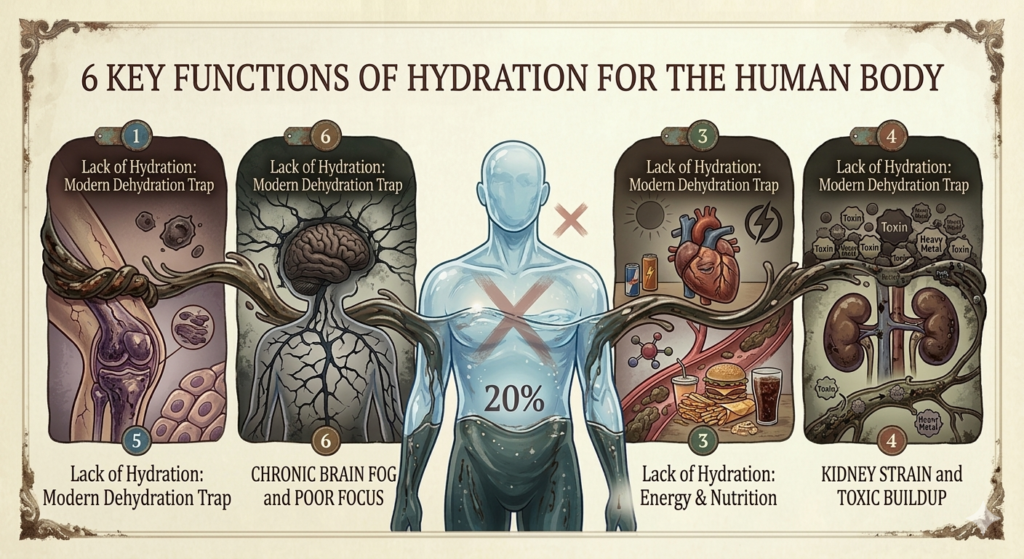
Many people do not develop the habit of drinking enough water throughout their lives. In younger years, this habit may not seem harmful, but over time it can lead to serious health consequences.
Water is essential for nearly every function in the human body. It supports metabolism, regulates body temperature, improves brain performance, and helps organs function properly.
Unfortunately, modern lifestyles often encourage habits that reduce water intake. People rely on caffeinated drinks, sugary beverages, and processed foods while ignoring the importance of proper hydration.
The result is a growing number of individuals suffering from fatigue, poor concentration, kidney problems, digestive issues, and reduced physical performance.
The lack of hydration habit is one of the most common lifestyle mistakes people realize later in life. Many individuals after the age of sixty recognize that they should have maintained better hydration practices earlier.
Understanding the importance of hydration and building a daily water-drinking routine can significantly improve long-term health and well-being.
What Is the Lack of Hydration Habit?
The lack of hydration habit refers to a lifestyle pattern where individuals consistently fail to drink enough water to support their body’s daily needs.
Most adults require a regular intake of water throughout the day to maintain proper bodily functions. However, many people drink water only when they feel thirsty, which is often too late.
This habit gradually leads to mild but persistent dehydration. While it may not cause immediate illness, long-term dehydration can negatively affect metabolism, brain performance, digestion, and organ health.
Developing a conscious hydration habit is therefore essential for maintaining long-term wellness
Why Proper Hydration Is Essential for the Human Body
Water makes up approximately sixty percent of the human body. It plays a critical role in maintaining balance and stability across many biological systems.
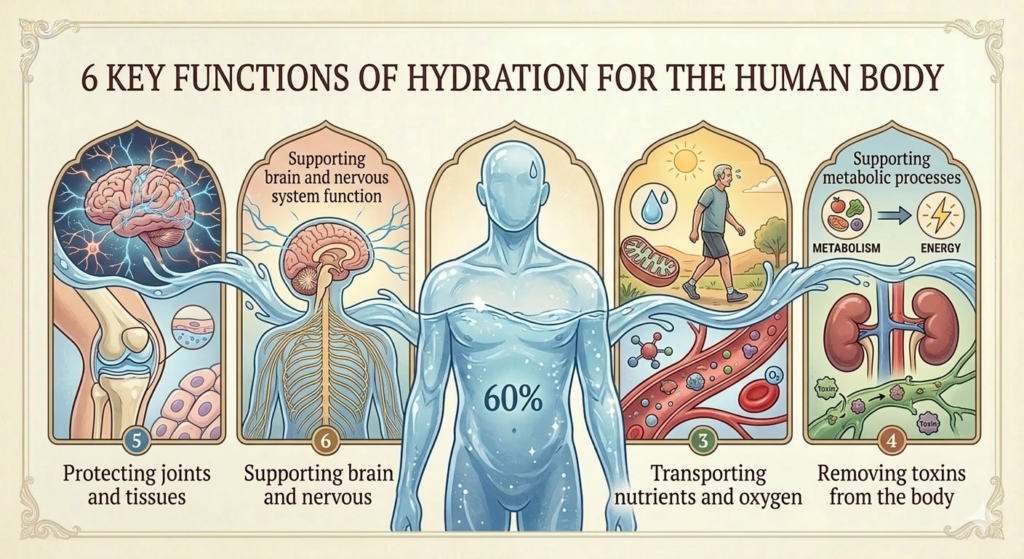
Hydration supports several key functions:
- Regulating body temperature
- Supporting metabolic processes
- Transporting nutrients and oxygen
- Removing toxins from the body
- Protecting joints and tissues
- Supporting brain and nervous system function
Without adequate hydration, these processes become less efficient, leading to reduced physical and mental performance.
How Lack of Hydration Affects Metabolism
Metabolism refers to the body’s process of converting food into energy. Proper hydration is essential for efficient metabolic activity.
When the body is dehydrated, metabolic processes slow down. This can lead to:
- Reduced energy levels
- Difficulty maintaining a healthy weight
- Slower digestion
- Fatigue and weakness
Studies suggest that drinking adequate water can support calorie burning and improve overall metabolic efficiency.
Therefore, hydration plays an important role in maintaining a healthy and active body.
The Impact of Dehydration on Brain Function
The human brain is highly sensitive to hydration levels.
Even mild dehydration can affect mental performance and cognitive function. Common symptoms include:
- Difficulty concentrating
- Memory problems
- Mental fatigue
- Mood changes
- Reduced alertness
Proper hydration helps maintain blood flow to the brain and supports the delivery of oxygen and nutrients to brain cells.
This is why people who drink enough water often experience better focus, improved productivity, and greater mental clarity.
Hydration and Organ Health
Every major organ in the body depends on water to function efficiently.
Kidneys rely on water to filter toxins from the bloodstream and maintain electrolyte balance. Without adequate hydration, kidney function may decline over time.
The digestive system also requires sufficient water to process food and absorb nutrients effectively. Dehydration can lead to digestive discomfort and constipation.
Additionally, the liver and cardiovascular system depend on proper hydration to regulate circulation and maintain stable bodily processes.
Maintaining consistent hydration therefore supports the long-term health of vital organs.
Common Signs of Poor Hydration
Many people experience dehydration symptoms without recognizing the underlying cause.
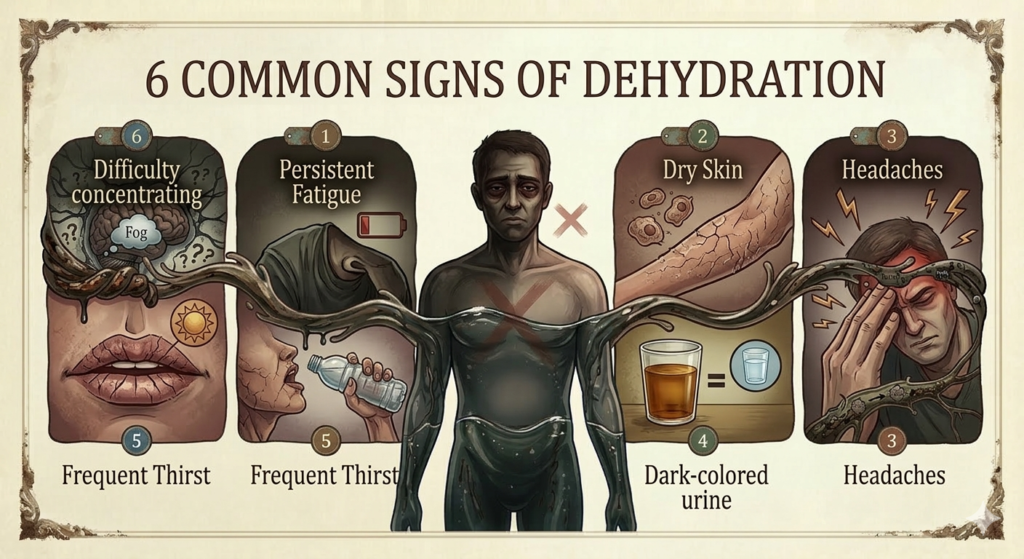
Some common signs include:
- Persistent fatigue
- Dry skin
- Headaches
- Dark-colored urine
- Frequent thirst
- Difficulty concentrating
- Muscle cramps
Recognizing these early signals can help individuals correct their hydration habits before more serious health issues develop.
Why Many People Fail to Develop Hydration Habits
Several lifestyle factors contribute to poor hydration habits.
Modern work environments often encourage long hours of sedentary activity, where individuals forget to drink water regularly.
Many people also rely heavily on beverages such as coffee, energy drinks, and sugary sodas. While these drinks provide temporary stimulation, they do not effectively replace the benefits of pure water.
Another factor is simple lack of awareness. Many individuals underestimate the importance of hydration and assume that occasional water intake is sufficient.
These habits gradually form a pattern that persists for decades.
How Much Water Should You Drink Daily?
Hydration needs vary depending on body weight, climate, and physical activity levels.
However, a commonly recommended guideline is to drink approximately 2 to 3 liters of water per day for adults.
People who exercise regularly, live in hot climates, or perform physically demanding work may require higher intake.
Instead of drinking large amounts of water at once, it is better to distribute water intake throughout the day.
Consistent hydration helps the body maintain balance and stability.
Simple Ways to Build a Healthy Hydration Habit
Developing a hydration habit does not require complex strategies. Small daily practices can make a significant difference.
Some effective methods include:
Start your morning with a glass of water before consuming coffee or tea.
Carry a reusable water bottle throughout the day as a reminder to drink regularly.
Set periodic reminders on your phone to drink water during working hours.
Include water-rich foods such as fruits and vegetables in your diet.
Drink water before meals to support digestion and prevent overeating.
Over time, these small actions can build a strong and consistent hydration routine.
Long-Term Benefits of Proper Hydration
Maintaining proper hydration provides many long-term health advantages.
These benefits include:
- Improved energy levels
- Better concentration and mental clarity
- Healthier skin and digestion
- Improved kidney function
- Stronger physical performance
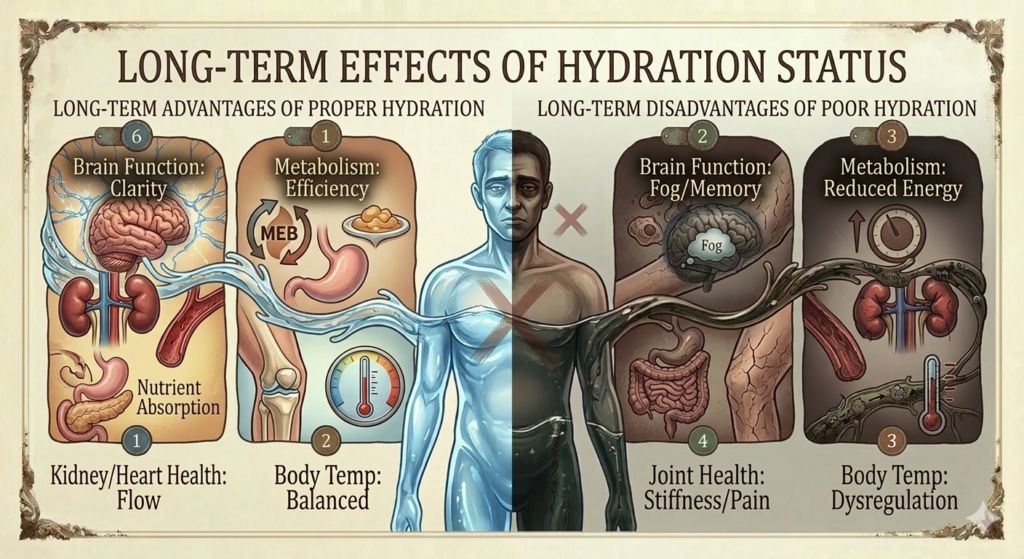
Perhaps most importantly, proper hydration helps protect the body from many preventable health complications that appear later in life.
Conclusion
The lack of hydration habit is a common yet often overlooked health issue. Many people spend decades without paying attention to their water intake and later realize the impact on their health.
Water supports metabolism, brain function, and the proper functioning of vital organs. Without adequate hydration, the body gradually becomes less efficient and more vulnerable to health problems.
Developing a daily hydration habit is one of the simplest and most powerful steps toward better health.
By consciously increasing water intake and maintaining consistent hydration routines, individuals can protect their physical and mental well-being for years to come.